By 7zip editorial team · Last verified [date] · Current release [tag]
Install with winget
7-Zip is a local Windows file archiver. Package id in Windows Package Manager is 7zip.7zip.
winget install -e --id 7zip.7zipThat identifier sits in microsoft/winget-pkgs. Scope is machine. Architecture x64. InstallerType exe. InstallerUrl points at the GitHub 7z*-x64.exe family on recent manifests. Related: how to install winget, winget guide, for this computer.
Install with the official exe
Download the current 7z*-x64.exe from 7-zip.org or GitHub Releases. Run the installer. MSI is supporting when required. Releases map: releases.
After install
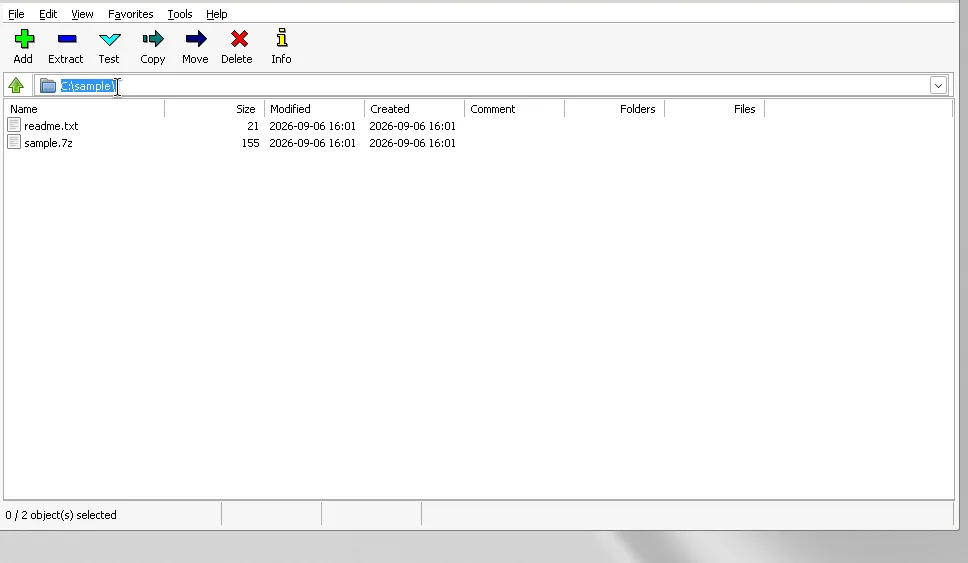
Open File Manager, extract a trusted zip, and optionally create a small 7z. First hour: installed. First run: 7zip-first-run. Safety: is-7zip-safe.
Practical checks before you rely on it
Open a new Windows Terminal after install so PATH updates from App Installer can load. When you use winget, you can run winget show with package id 7zip.7zip to confirm the manifest still points at an official InstallerUrl. When winget is unavailable, open the official download table and take the Windows x64 exe whose name matches the 7z*-x64.exe pattern.
Keep personal documents out of the first extract test. Use a throwaway folder under Downloads or a temporary directory you can delete. That habit makes nested folders obvious. After Extract finishes, open the output path in Explorer and confirm the expected files landed before you delete the sample archive.
File Manager habits that prevent surprises
The toolbar Add and Extract buttons cover most desks. Double-clicking an archive inside File Manager opens it like a folder, which helps when you only need one file. For encrypted archives, the password prompt appears before unpack continues. Cancel if you did not expect encryption on that sample.
Shell integration is optional. If Explorer menus feel crowded, revisit installer options or Tools settings on a machine you control. Do not download a second unofficial build just to change a menu checkbox. Prefer the same official channel you already trust.
Keeping updates boring
Bookmark the releases page on this cluster and the official GitHub Releases list rather than a random mirror. When winget reports an upgrade, read the tag notes if you care about format fixes, then upgrade. When you installed from exe, download the current x64 exe again and run it over the existing machine-scope install.
If you ever unpacked a portable folder for a one-off job, delete that folder after you switch to Program Files so you do not launch an old binary by accident. Mixing portable and machine-scope copies is the usual reason people think an update did nothing while a shortcut still points at a stale path.
Neighboring guides worth opening next
Use the Windows install walkthrough when winget is missing. Use download-safe when a search result looks like a countdown timer. Use releases when you need to distinguish exe, MSI, x86, and ARM64 names on the same tag. Use the WinRAR comparison when someone asks about licences without handing you a price to invent. Use first-run and extract guides when File Manager is new on the desk.
Match the Windows x64 build against the current official release and winget id 7zip.7zip before you change unrelated system settings. That single verification step prevents most bad downloads on day one.
Troubleshooting the usual first-week issues
If winget cannot find the package id, update App Installer from Microsoft and open a new Terminal window before you retry. If the exe installer exits early, confirm you launched the x64 file on a 64-bit Windows install and that UAC actually approved the elevation prompt. If File Manager opens then closes, reboot once after a machine-scope install and try the Start menu shortcut again before chasing unofficial builds.
Checksum checking is optional for many home desks and useful on locked-down fleets. GitHub release assets expose digests through the API. Compare with Get-FileHash -Algorithm SHA256 in PowerShell against the digest for the asset you chose. That habit pairs well with the download-safe rules on this cluster.
What success looks like on day one
You can open File Manager, browse into a zip, extract to a folder you control, and create a small 7z from a sample directory. Explorer menus appear only if you kept shell integration. Updates go through the same door you used to install. No account creation step sits between you and that workflow according to the official licence notes for normal desktop use.
When a colleague asks for a WinRAR comparison, send them to the vs page on this cluster instead of inventing a store price. When they ask which file to download, send them to releases and the 7z*-x64.exe pattern. When they ask whether the tool is safe, send them to the safety guide and the official licence text.
Frequently asked questions
How do I install on Windows?
Run winget install -e --id 7zip.7zip or run the current x64 exe from 7-zip.org or GitHub. If winget is missing, install App Installer from Microsoft first, reopen Terminal, then retry the same command.
Exe or winget?
Both deliver the same Windows x64 family on recent manifests. Winget wraps the official exe URL. Manual installs use the Windows x64 exe pattern, with MSI as a supporting choice when policy requires it on the same tag.
Do I need an account?
No. Official licence notes say you can use 7-Zip on any computer, including commercial ones, without registering or paying. File Manager stays local on the PC after a normal install finishes cleanly.